Fields, courts, stadium areas
Flood & High-Mast
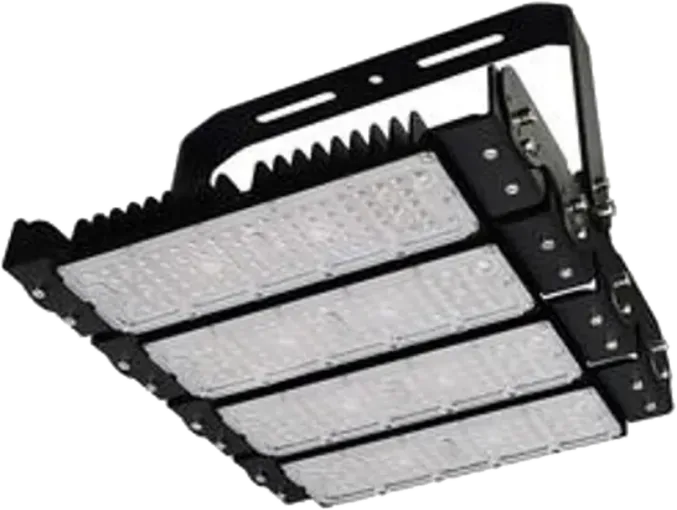
Local floods 50–200 W (IP65) and heavy floods 400, 1 000 and 2 000 W with 30°–120° optics and a 5-year warranty.
IP65 (50–200 W)5-yr warrantyMean Well driver30°–120° optics
Sports lighting is about even light on the playing surface, controlled glare and spill, and fittings that survive on a mast. This guide covers how to choose and size LED floods for fields, courts, stadium areas and surrounding car parks.
A bad sports installation shows quickly: dark patches, glare in players' eyes, light spilling into neighbours' houses. These are the factors to get right.
Players and cameras notice dark corners and hot spots. Uniformity depends on pole positions, mounting height and aiming as much as on wattage, so the layout comes first and the fitting second.
Glare dazzles players and spectators, and spill annoys neighbours and can breach local conditions. Narrow optics (30° and 60°) aimed down, and well-placed poles, reduce both. Our floods come in 30°, 60°, 90° and 120°.
Large fields need big lumen packages thrown over distance. The heavy flood range runs 400 W, 1 000 W and 2 000 W on a 140 lm/W light engine. Lumen packages are confirmed per optic on your quote.
Poles of 15 m and higher need a crane or a lowering system for any service work. A 50 000-hour rated life reduces how often that is needed. A school field used a few evenings a week could run for many years before the rating is reached.
Tall masts in open ground attract lightning and surges. Ask us about surge protection on the range you choose, because it differs by product. Our Apex area lights carry 6 kV surge protection (10 kV and 20 kV optional).
Metal halide floods need warm-up time and a long restrike delay after a power dip. LED floods start at full output, which suits training sessions and community use where lights go on and off.
A recreational field, a club ground and a televised stadium need very different lux levels and uniformity. Tell us the level, and the federation or broadcaster requirements if there are any, because those requirements are stricter than general guidance.
Ultranova ranges for sports and outdoor areas. Full models and datasheets are on each product page.
Local floods 50–200 W (IP65) and heavy floods 400, 1 000 and 2 000 W with 30°–120° optics and a 5-year warranty.
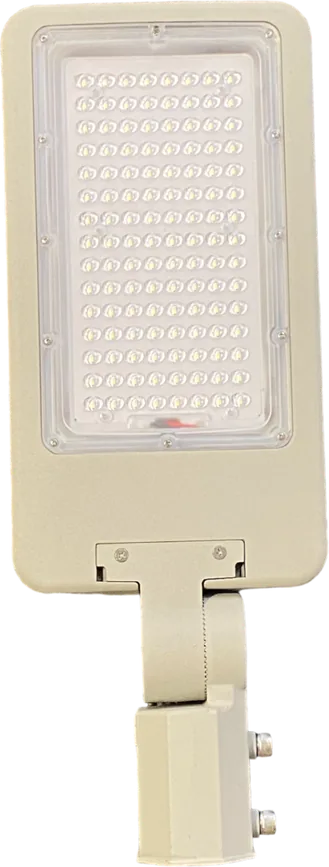
Apex area lights 30–160 W, IP66, IK09, 140–145 lm/W, 6 kV surge protection, spigot mount for 5–15 m poles.
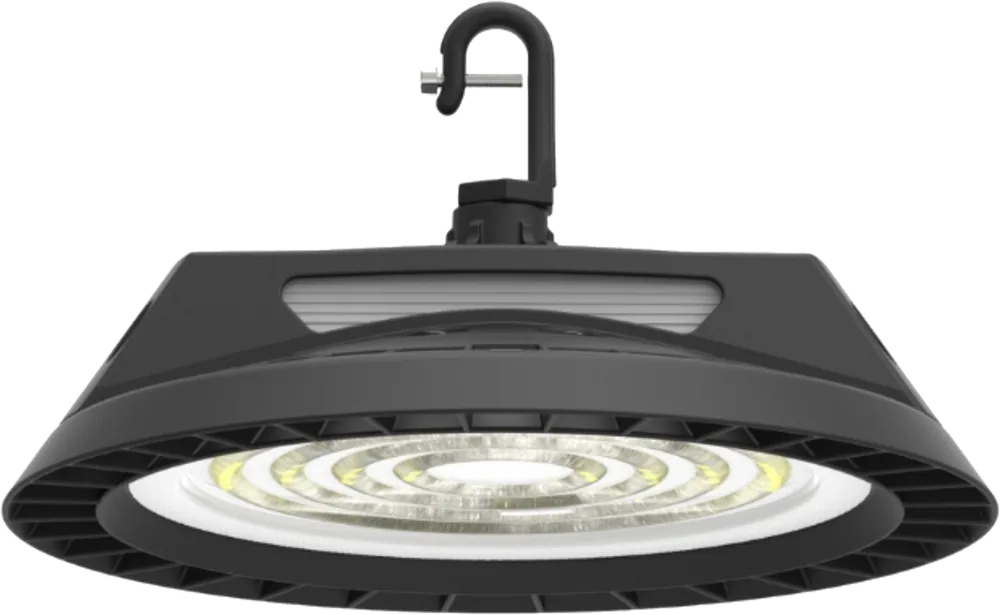
70–200 W, IP66, 7-year warranty, for indoor halls up to about 14 m.
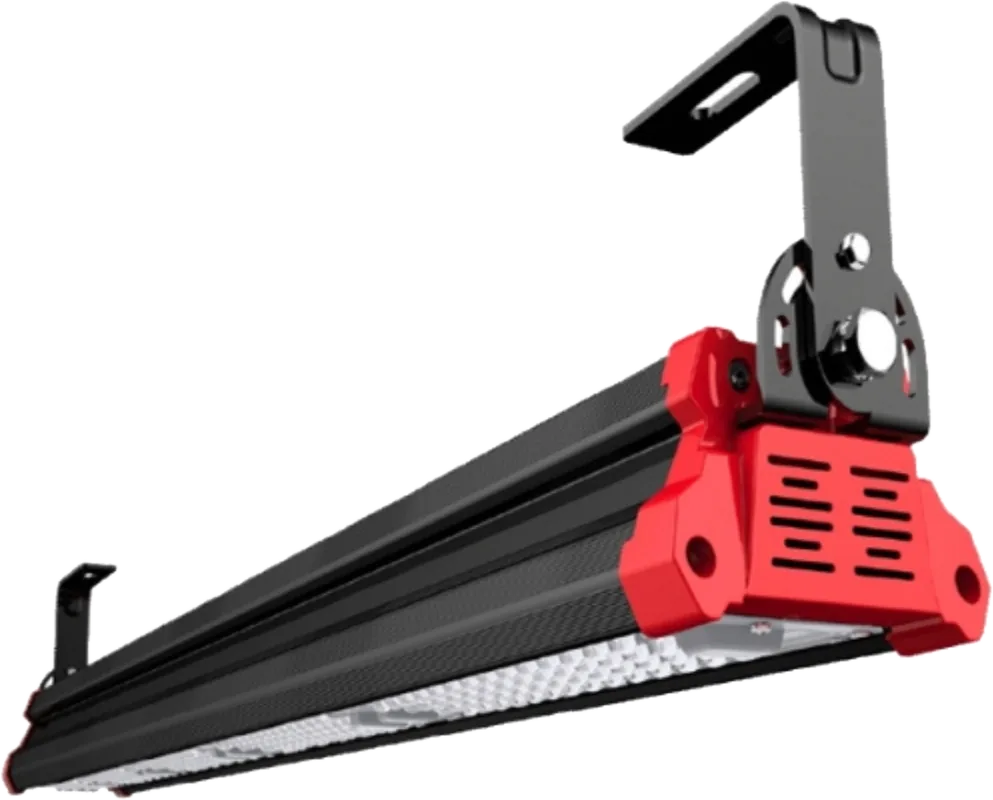
50–200 W linear fittings, IP65, with optics from 30° to 120°.
Send us these and we can recommend and quote accurately:
From our sales records: We have supplied LED flood lights to an equipment-hire company for its hire fleet and to a dairy producer for yards and loading (client names withheld, taken from our sales records). This is a supply history, not a case study, and no results are claimed.
Typical illuminance levels for sports are below. They are general guidance only. Your sport's federation, the level of play, and any broadcast requirements set the real figure, and those are stricter than this table.
| Area or task | Typical range | Notes |
|---|---|---|
| Recreational and school training fields | 50–150 lx | Evening training |
| Club competition (football, rugby, hockey) | 200–300 lx | Club-level matches |
| Tennis, netball and basketball courts (outdoor) | 200–500 lx | Smaller area, higher level |
| Higher-level competition | 500 lx and above | Federation and broadcast rules apply |
| Athletics tracks (training) | 100–200 lx | Uniform along the track |
| Spectator areas, walkways and entrances | 10–50 lx | Safe movement |
| Car parks and access roads | 5–20 lx | Apex area lights on poles |
Typical ranges, based on general guidance and common international sports lighting practice. They are not a certification claim. The federation or competition requirements for your sport apply, and a lighting layout confirms the level.
Pole height and distance drive the wattage. These bands are indicative starting points and a layout confirms pole count and aiming.
| Mounting height / area | Starting point | Typical use |
|---|---|---|
| Walls or poles to about 8 m | Local flood 100–200 W | Courts, small fields, yards |
| Poles 10–15 m | Heavy flood 400 W | School and club fields |
| Poles 15–25 m | Heavy flood 1 000 W | Club and larger fields |
| Masts above 25 m | Heavy flood 1 000–2 000 W | Stadium-scale areas |
| Car park and road poles 5–15 m | Apex 30–160 W | Spigot mount, IP66 |
| Indoor halls to 14 m | UFO GEN2 70–200 W | Sports halls |
| Optics | 30°–60° long throw, 90°–120° short throw | Choose from distance to the field |
Indicative only. Pole position, aiming and the level of play decide the final fitting and quantity, so a layout is needed.
A hypothetical club field with 12 existing 1 500 W metal halide floods (about 1 650 W each including gear), replaced like-for-like with 1 000 W LED floods, and running 4 hours an evening, 300 days a year.
| Fittings | 12 |
| Existing | 1 500 W metal halide (incl. gear): 1650 W each |
| LED | 1 000 W LED flood: 1000 W each |
| Operation | 4 h/day × 300 days = 1 200 h/year |
| Tariff (example) | R2.50/kWh |
| Emission factor (assumed) | 0.95 kg CO₂/kWh |
Calculation: fittings × (existing W − LED W) × hours × days ÷ 1 000. It is the same method as our calculator.
Estimate only, for a hypothetical site. Not a customer result. Sports lights run few hours, so energy savings are modest. The other benefits are instant start and less maintenance. A layout confirms whether the replacement is truly like-for-like. It excludes demand charges, maintenance savings and installation cost, and is not a quotation or a guarantee.
Run it with your numbersStraight answers on specifying LED lighting for sports fields and stadiums.
Ask us your questionIt depends on the level of play, pole height and distance to the far side. As a starting point, 400 W on 10–15 m poles suits school and club fields, with 1 000 W and 2 000 W for larger fields and masts. A layout confirms pole count and aiming.
Narrow optics (30° and 60°) throw further and control glare for long distances. Wider optics (90° and 120°) suit short throws and wide spread. We choose from your pole positions and the field geometry.
Mount high, aim down, choose the narrowest optic that covers the area, and place poles carefully. A lighting layout shows spill and glare before installation. Tell us about neighbours and any local conditions.
LED floods start at full output and need no restrike delay, and they last longer between services. Because sports lights run few hours a year, energy savings are smaller than for 24/7 plants, so the maintenance and start-up benefits count for more.
Competition and broadcast lighting is governed by federation and broadcaster requirements for lux, uniformity and flicker. Tell us the requirement and we will advise whether our range is suitable before you order. We don't make that claim in general.
Yes. Apex area lights run 30 W to 160 W, with IP66 and IK09 protection, 140–145 lm/W and a spigot mount for 5–15 m poles.
Send the area, mounting height, what is installed now and the hours it runs. We will recommend the fittings, run a lighting layout if you need one, and send a written quote with datasheets.