
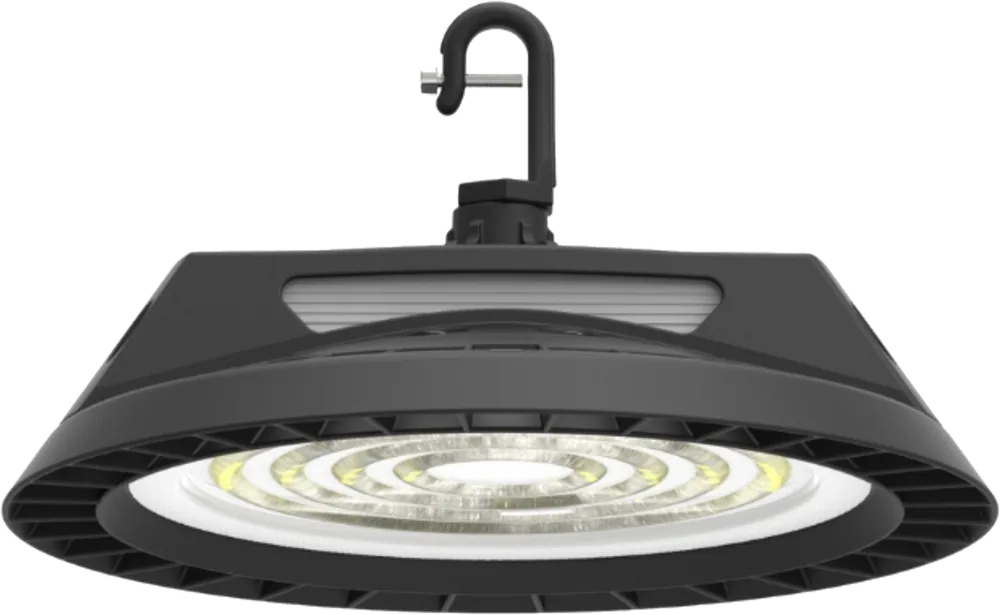
Production halls, crane bays, fabrication
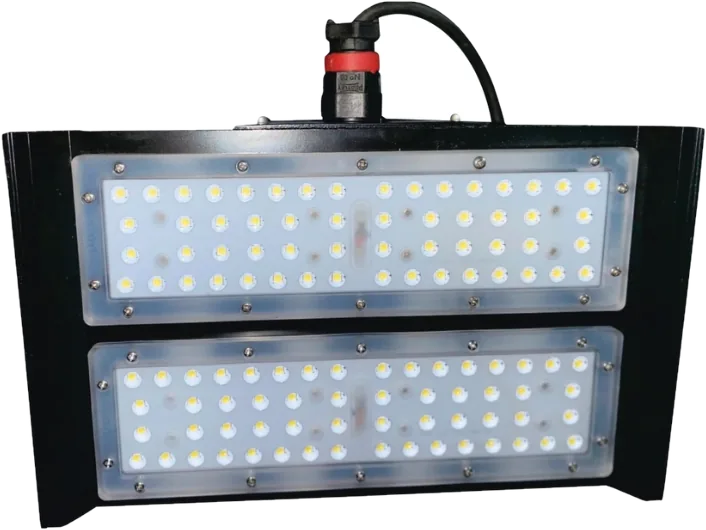
UFO High Bay GEN2
The 200 W model (190 lm/W tested) suits 10–14 m roofs; the 150 W and 100 W suit lower bays. IP66, 90–305 V AC, 7-year warranty.
IP667-yr warrantyMean Well driver100 000 h
Steel and heavy engineering buildings combine high roofs, crane traffic, dust, heat and heavy electrical loads. This guide explains what that does to lighting, which Ultranova fittings suit each part of the plant, and how to size them.
A steel plant is hard on everything bolted to its roof. These are the factors that decide which fittings last, and what you should ask any supplier.
Melt shops, rolling mills and fabrication bays are often 12 to 20 m high, with overhead cranes that limit where fittings can hang. The UFO GEN2 200 W, at 190 lm/W tested, reduces the number of fittings you need to hang and maintain. Above 14 m we recommend a lighting layout with narrower optics.
Heat rises to roof level, and dust, scale and fume settle on fittings. IP66 keeps dust out, and the UFO's aluminium body acts as its heatsink. We don't publish an operating-temperature rating for the UFO on this site, so tell us the ambient and radiant temperatures at fitting height and we will confirm for the model.
Arc furnaces, large motors and drives cause sags and surges on the plant supply. The UFO GEN2 accepts 90–305 V AC and has a power factor above 0.95, so it copes with a wider range than a narrow-window driver. Ask about surge protection on the range you choose.
Presses, hammers, overhead handling and general plant traffic knock and shake things. Rigid mounting matters. For walkways and low galleries, the Titan bulkhead is rated IK10. We don't claim vibration certification, so tell us if vibration is severe.
Many steel operations never fully stop, so lighting runs 8 000 hours a year or more. Energy is the main running cost, and a long rated life (100 000 hours on the UFO GEN2) reduces access to roof-height fittings during production.
Crane loads, hot metal and forklifts need good visibility. Even light and sensible glare control matter more than raw lux. Choose optics to reach the floor without shining into the crane driver's cab.
Scrap yards, billet yards and laydown areas need floods that survive weather and dust, with beams aimed to avoid dazzling crane and truck operators.
Ultranova ranges suited to each part of a steel or heavy-manufacturing site, with the full specifications on each product page.
The 200 W model (190 lm/W tested) suits 10–14 m roofs; the 150 W and 100 W suit lower bays. IP66, 90–305 V AC, 7-year warranty.
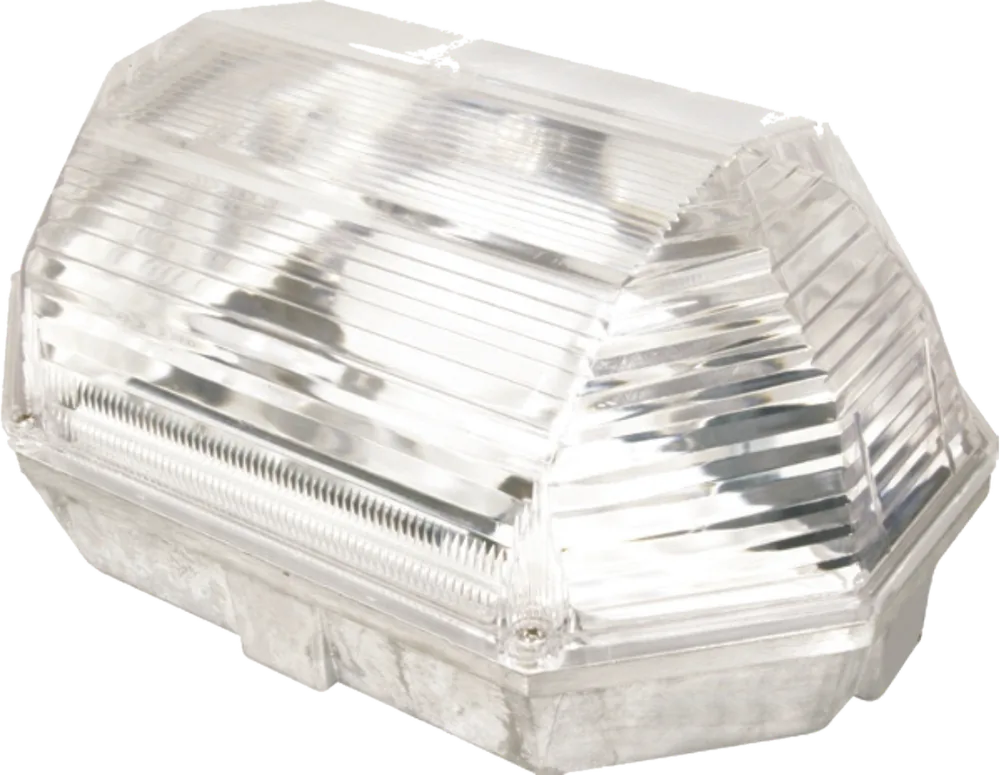
Titan 60 W: IP66, IK10, 160 lm/W, 6 kV surge protection. Retrofit kits keep sound existing housings.
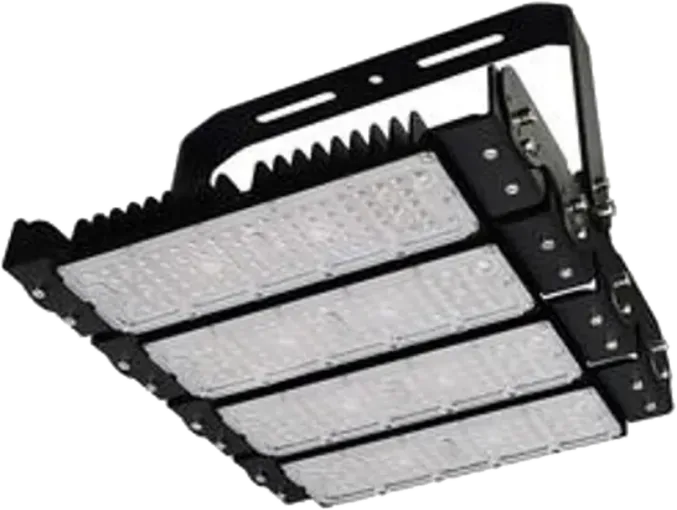
Local floods 50–200 W and heavy floods 400–2 000 W with 30°–120° optics.
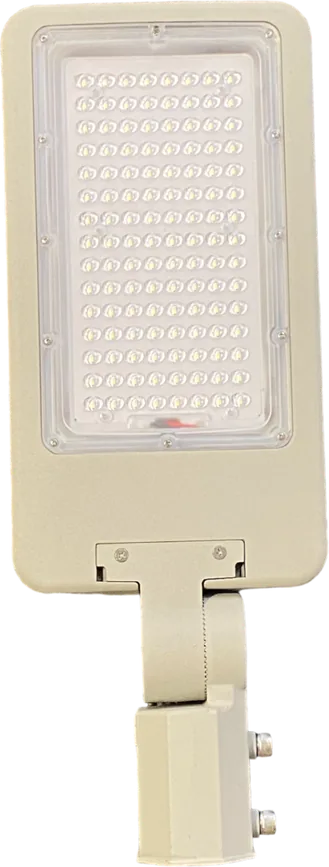
Apex area lights 30–160 W, IP66, IK09, 6 kV surge protection, for 5–15 m poles.
Zone linear and zone flood, certificate and limits confirmed per project.
Send us these and we can recommend and quote accurately:
From our sales records: We have supplied 200 W UFO LED high bays to a steel plant in Gauteng for its production halls (client name withheld, taken from our sales records). This is a supply history, not a case study, and no results are claimed.
Typical maintained illuminance levels for steel and heavy-engineering areas are below. They are general guidance only, and your plant standard, insurer or client specification takes priority.
| Area or task | Typical range | Notes |
|---|---|---|
| General circulation and crane bays | 100–200 lx | Floor level |
| Melt shop, furnace and casting areas | 150–200 lx | Heat and dust reduce output between cleans |
| Rolling mill and finishing | 200–300 lx | Visibility of moving product |
| Fabrication and welding bays | 300–500 lx | Task lighting at welding stations |
| Inspection and quality control | 500–750 lx | Needs even, glare-free light |
| Maintenance workshops | 300–500 lx | General plus bench lighting |
| Yards and laydown | 10–50 lx | Higher at crane working areas |
Typical ranges, based on general industrial guidance such as SANS 10114-1 and common international practice. They are not a certification claim. A lighting layout confirms the level for your building.
Tall bays push towards the 150 W and 200 W UFO, with narrower optics at the top of the range. Above 14 m, layouts decide.
| Mounting height / area | Starting point | Typical use |
|---|---|---|
| 6–8 m | UFO GEN2 100 W | Workshops, stores, low fabrication bays |
| 8–10 m | UFO GEN2 150 W | Mid-height halls |
| 10–14 m | UFO GEN2 200 W, 60°–90° | Crane bays, mills, production halls |
| Above 14 m | Layout needed | Narrow optics, closer spacing or side-mounted floods |
| Walkways and galleries | Titan 60 W or retrofit kits | IK10 where impact is a risk |
| Yards (wall or short pole) | Local flood 100–200 W | Laydown and loading |
| Masts | Heavy flood 400–1 000 W | Large yards and billet storage |
Indicative only. Optic angle, spacing and lux target determine the final fitting and quantity.
A hypothetical production hall with 30 existing 400 W metal halide fittings (about 455 W each including gear) at 10–14 m, replaced one-for-one with 200 W UFO GEN2 high bays and running 24 hours a day, 350 days a year (allowing for maintenance shutdowns).
| Fittings | 30 |
| Existing | 400 W metal halide (incl. gear): 455 W each |
| LED | 200 W UFO GEN2: 200 W each |
| Operation | 24 h/day × 350 days = 8 400 h/year |
| Tariff (example) | R2.50/kWh |
| Emission factor (assumed) | 0.95 kg CO₂/kWh |
Calculation: fittings × (existing W − LED W) × hours × days ÷ 1 000. It is the same method as our calculator.
Estimate only, for a hypothetical site. Not a customer result. Lighting at height must be checked with a layout for lux and uniformity. Real savings depend on your wattages, hours and tariff. It excludes demand charges, maintenance savings and installation cost, and is not a quotation or a guarantee.
Run it with your numbersStraight answers on specifying LED lighting for steel plants and heavy manufacturing.
Ask us your questionThe 200 W UFO GEN2 (190 lm/W tested) is the model for 10–14 m. Use 60° or 90° optics to reach the floor, and confirm the layout around cranes. Above 14 m, narrower optics and a layout are needed.
Heat collects at roof level. We don't publish an operating-temperature rating for the UFO on this site, so tell us the ambient and radiant temperature at fitting height and we will confirm the model before you order.
The UFO GEN2 accepts 90–305 V AC with a power factor above 0.95, which tolerates wide supply swings. A dedicated lighting feeder and surge protection add further protection, so tell us about your supply.
Yes. The Titan 60 W bulkhead is IP66 and IK10. Where the housings are sound you can also retrofit existing bulkheads with our LED kits.
Where an area is classified, we supply zone linear and zone flood lighting, with the certificate, zone rating and limits confirmed in writing per project. We don't make blanket hazardous-area claims for the standard ranges.
The estimate above shows the method for a hypothetical hall. Use the calculator with your own fitting count, wattages, hours and tariff, or send us your site details for a site-specific estimate.
Send the area, mounting height, what is installed now and the hours it runs. We will recommend the fittings, run a lighting layout if you need one, and send a written quote with datasheets.